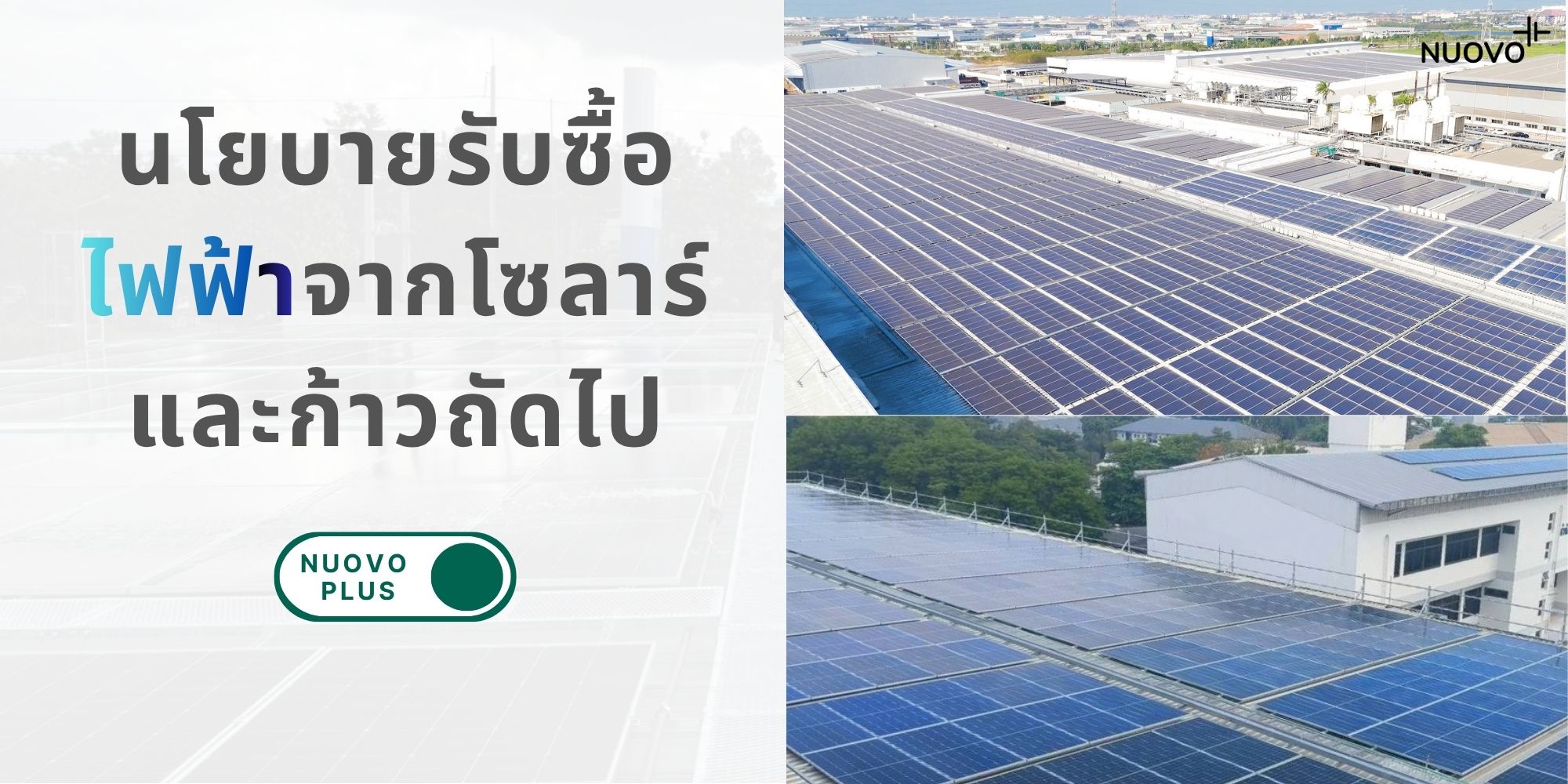
In recent times, anyone following the energy sector has likely felt a clear shift: government policy on clean energy is accelerating at an unprecedented pace. From Thailand’s new Power Development Plan (PDP2026)—which sets an ambitious target of increasing renewable energy’s share to 70% by the end of the plan—to household solar feed-in tariffs, electric vehicle (EV) adoption incentives, and serious feasibility studies on energy storage promotion mechanisms.
At the same time, strong external forces are driving change from outside the country. Major trade partners and end customers have begun asking manufacturers across their supply chains a simple yet vital question: “What kind of energy was used to produce the goods you export to our country?” As a result, the clean energy ratio is rapidly becoming a fundamental trade specification—no different from the quality and safety standards we have long been accustomed to.
These dual pressures—domestic policy momentum and global market demands—are converging upon the commercial and industrial sectors simultaneously. The crucial question is: How can businesses turn these forces into a competitive advantage?
One instrument gaining significant momentum is the Battery Energy Storage System (BESS). In this article, I invite you to take the first step in understanding how BESS can empower your business.
A Big Battery with a Simple Purpose
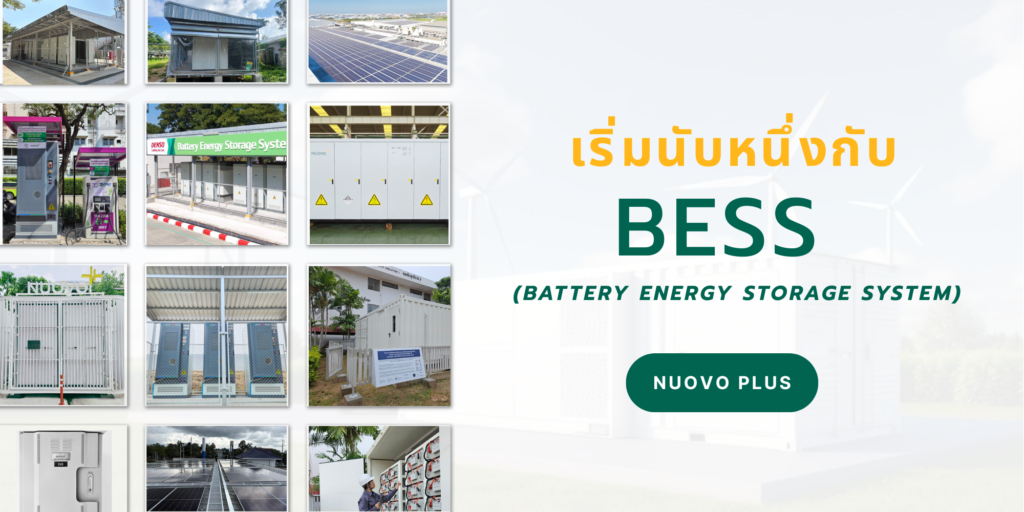
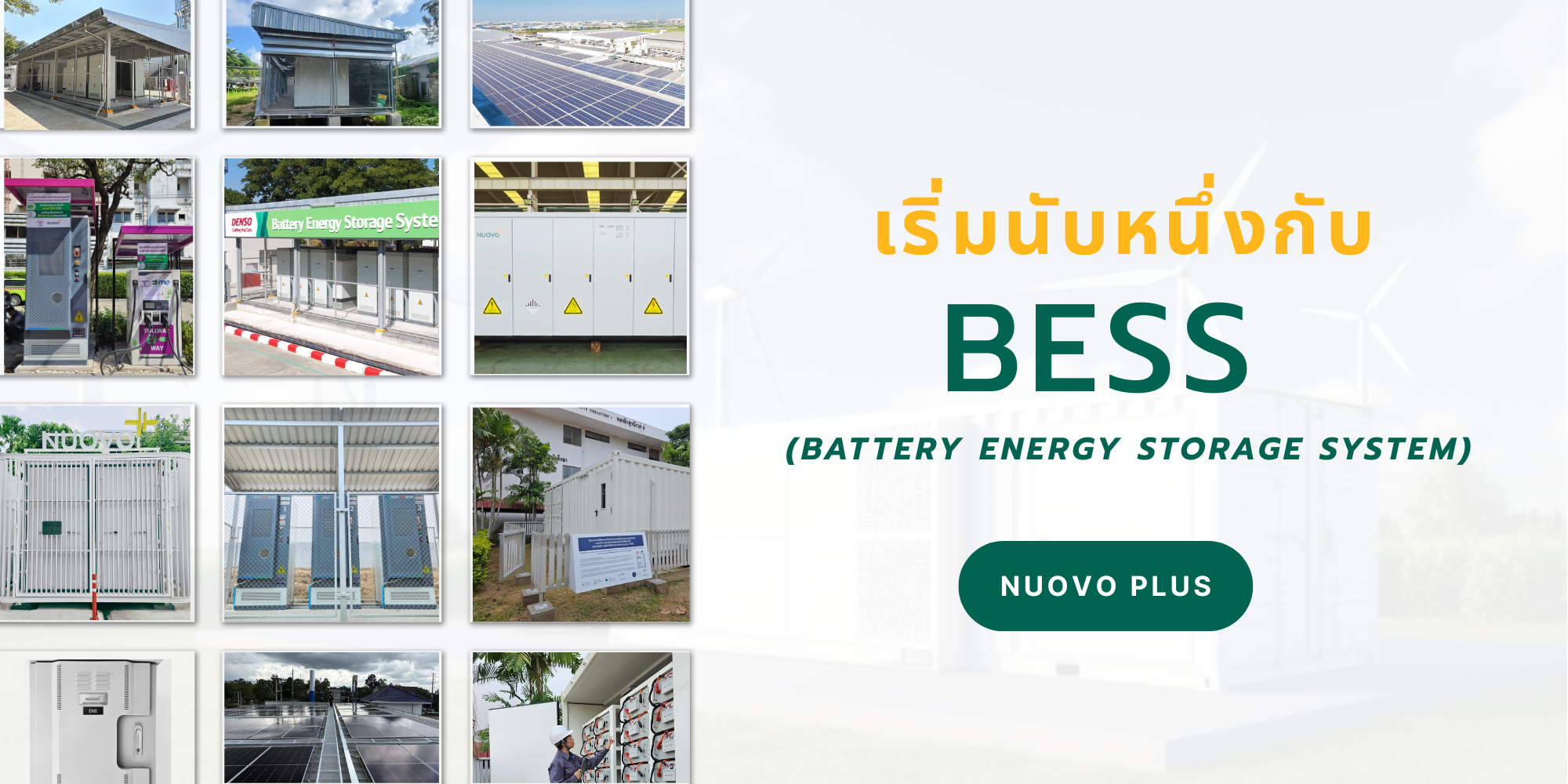
Simply put, a BESS (Battery Energy Storage System) is an energy bank. Visually, it can range from a cabinet roughly the size of an oversized refrigerator to a full 20-foot shipping container, depending on the scale of the facility.
Its fundamental purpose is straightforward: store electricity when power is cheap or abundant, and discharge it when power is expensive or scarce.
While the concept sounds simple, this single capability serves as a master key transforming corporate energy management worldwide.
1. Direct Financial Savings: Let’s start with the most direct aspect for any business: electricity costs. Electricity bills for industrial plants and commercial buildings typically consist of two critical components:
- Time-of-Use (TOU) Energy Charges: Most industrial facilities operate under TOU tariffs, where the price per kilowatt-hour varies depending on the time of day. Daytime through evening on weekdays represents “On-Peak” (expensive) hours, while late nights and weekends are “Off-Peak” (cheap) hours.
- Demand Charges: Unlike residential electricity bills, commercial and industrial bills include a Demand Charge based on the single highest peak of power consumption recorded during the month. In simple terms, even if your plant runs at low energy levels for most of the month, a brief surge in power usage—such as multiple heavy machines starting up simultaneously—will lock in high demand charges for the entire billing cycle.
BESS directly addresses both cost components:
- Arbitrage (TOU Optimization): It charges during low-cost periods (off-peak hours or excess solar generation) and discharges during high-cost peak periods. When calculated across an entire facility’s daily operation for a full year, the savings become highly substantial.
- Peak Shaving: BESS acts as a peak monitor. Whenever power usage starts to spike, the battery instantly discharges to supply the extra power needed, trimming down the peak demand profile. In energy management, this technique is known as Peak Shaving.
Why Is Now the Right Time for BESS?
A common question that arises is: If batteries have existed for a long time, why is now the crucial moment?
The answer lies in economics. Battery technology costs have dropped significantly over recent years. What was considered a cost-prohibitive luxury a few years ago has transformed into a practical, commercially viable asset. Paired with extended battery lifespans reaching well over a decade, ROI calculations that failed to yield positive results a few years ago are now overwhelmingly compelling.
Furthermore, government policy provides powerful tailwinds. The Board of Investment (BOI) offers investment promotion privileges, enabling companies installing BESS to receive corporate income tax (CIT) exemptions of up to 50% of the investment amount. This significantly reduces initial capital expenditure (CAPEX) barriers.
Unlocking Your Facility’s Clean Energy Ceiling
Returning to the global clean energy mandates mentioned earlier, many organizations have already installed rooftop solar PV systems, enjoying immediate benefits. However, as renewable integration deepens, companies encounter a natural “clean energy ceiling.”
During lunch breaks or weekends, solar systems may generate surplus electricity that goes unused or wasted. Conversely, evening and night shifts remain 100% dependent on the grid. Expanding solar capacity further often leads to diminishing returns due to curtailed excess power.
BESS removes this limitation. Surplus daytime and weekend solar energy can be captured and stored for use during evening hours and peak operational shifts. This elevates your actual clean energy consumption ratio autonomously within your facility premises. When trading partners query the carbon footprint of your products, you gain verifiable proof of green operations—a distinct first-mover advantage.
Business Continuity as an Added Benefit
Another crucial benefit is power reliability and stability. Plant managers know well that even a split-second voltage dip or momentary blackout can trip automated production lines, ruin sensitive raw materials, and cause hours of costly downtime. The cumulative financial losses from power disruptions often dwarf routine electricity charges.
A BESS deployed primarily for cost management and green energy integration can simultaneously act as a power buffer against voltage fluctuations—effectively serving as both a revenue-generating asset and an embedded insurance policy.
Where to Start Your BESS Journey
You might ask: What system capacity do we need? What is the investment cost? What is the payback period?
The truth is, there is no “one-size-fits-all” formula for BESS. Its financial viability depends heavily on your unique energy usage profile. A 24/7 manufacturing facility operating across three shifts requires a completely different BESS capacity and operating strategy than an office building operating primarily during daytime business hours.
Taking the first step is not about rushing to purchase hardware. Rather, it begins with analyzing your own Load Profile—the detailed timeline of your facility’s power consumption. This data can be requested from power utilities or extracted from your smart metering systems.
Key questions to analyze your Load Profile include:
- What time of day do our peak power loads occur, and what drives them?
- How significant is the variance between daytime and nighttime power demand?
- If solar is already installed, how much clean energy is wasted or curtailed each month?
Answering these questions will provide clarity on whether BESS is financially viable for your operations, what capacity is optimal, and which primary role BESS should serve in your facility.
Conclusion
We are entering an era where energy storage is becoming as crucial as energy generation. Global trade dynamics and domestic energy policies are pointing decisively in this direction. While every business may not need an immediate installation today, now is the ideal time to take the first step: understand your power consumption dynamics and follow the evolving landscape of energy storage technology.