Written on July 2026
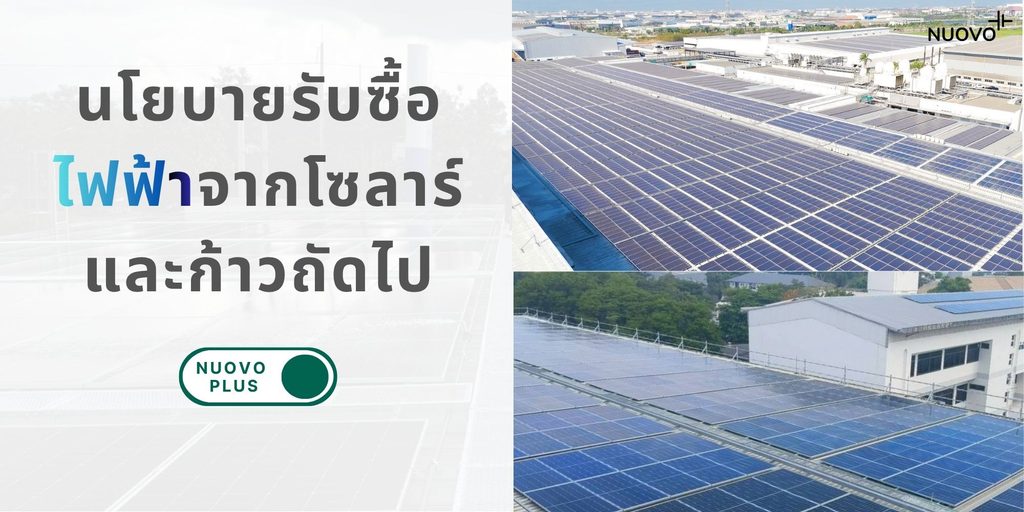
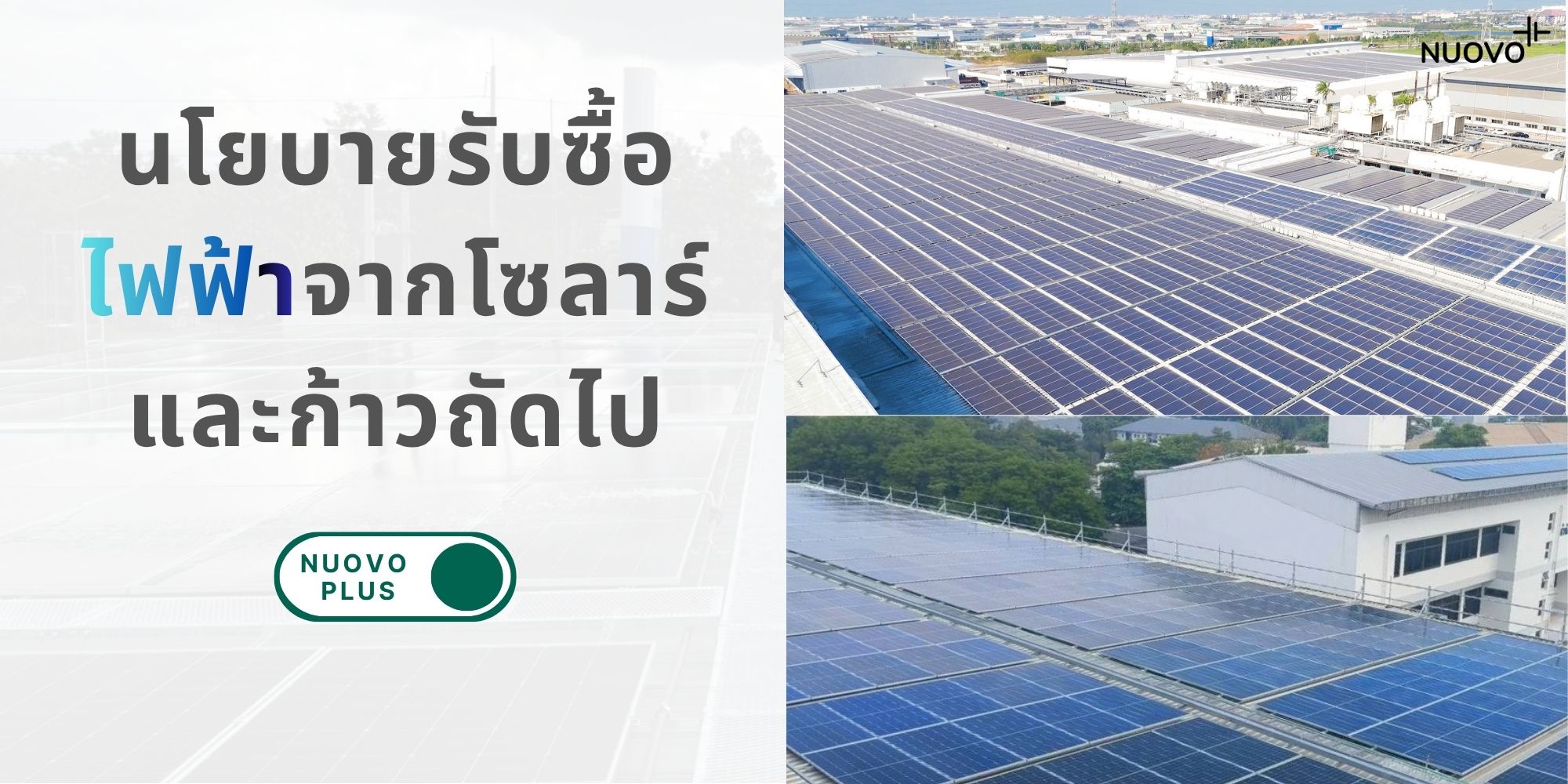
Recently, there has been a notable movement in the domestic energy sector: the government officially opened up opportunities for citizens to sell excess electricity generated from rooftop solar panels back into the national grid. This initiative carries far more significance than it might appear on the surface.
To give a brief overview, the National Energy Policy Council (NEPC) set a target to purchase surplus electricity from residential solar rooftops at a total capacity of 500 megawatts (MW). The agreed rate is 2.20 THB per kilowatt-hour (kWh) under a 10-year contract, operating on a “first-come, first-served” basis until the quota is filled. Although this target marks a significant increase from the previous allocation of around 90 MW, it remains a small fraction of Thailand’s true solar potential, which reaches tens of thousands of megawatts.
A Good Starting Point
This policy presents several encouraging developments. At its core, it shifts the public mindset from being passive “electricity consumers”—waiting to pay bills at the end of the month—to active “electricity producers”. This transitions energy management into a collaborative, community-wide effort. Every unit of power generated on a home rooftop represents imported fuel saved.
In a world where energy prices are heavily linked to international geopolitical uncertainties, empowering citizens to become more self-reliant is a promising starting point. It brings clean energy closer to everyday life, proving it is no longer exclusive to government agencies or large power plants.
Shift in National Electricity Demand
Consider how Thailand’s power consumption patterns have evolved over time. Historically, peak demand occurred during hot afternoon hours when solar power generation reached its maximum output. Today, that peak has shifted to around 9:00 PM—after sunset—when people return home, turn on air conditioners, and plug in electric vehicles (EVs).
This trend is becoming increasingly distinct, prompting the draft Power Development Plan (PDP2026) to adopt a “nighttime peak” forecasting model. The underlying implication is that daytime and nighttime electricity carry different economic values. Abundant daytime sunshine leads to excess solar power in the system, driving down its daytime value. Conversely, power required during the evening peak becomes substantially more critical to grid stability.
This contrast highlights the current gap: the 500 MW program primarily purchases excess daytime electricity, whereas the grid’s acute shortage occurs at night. Addressing this gap represents the key challenge for the next phase.
The Next Step Forward
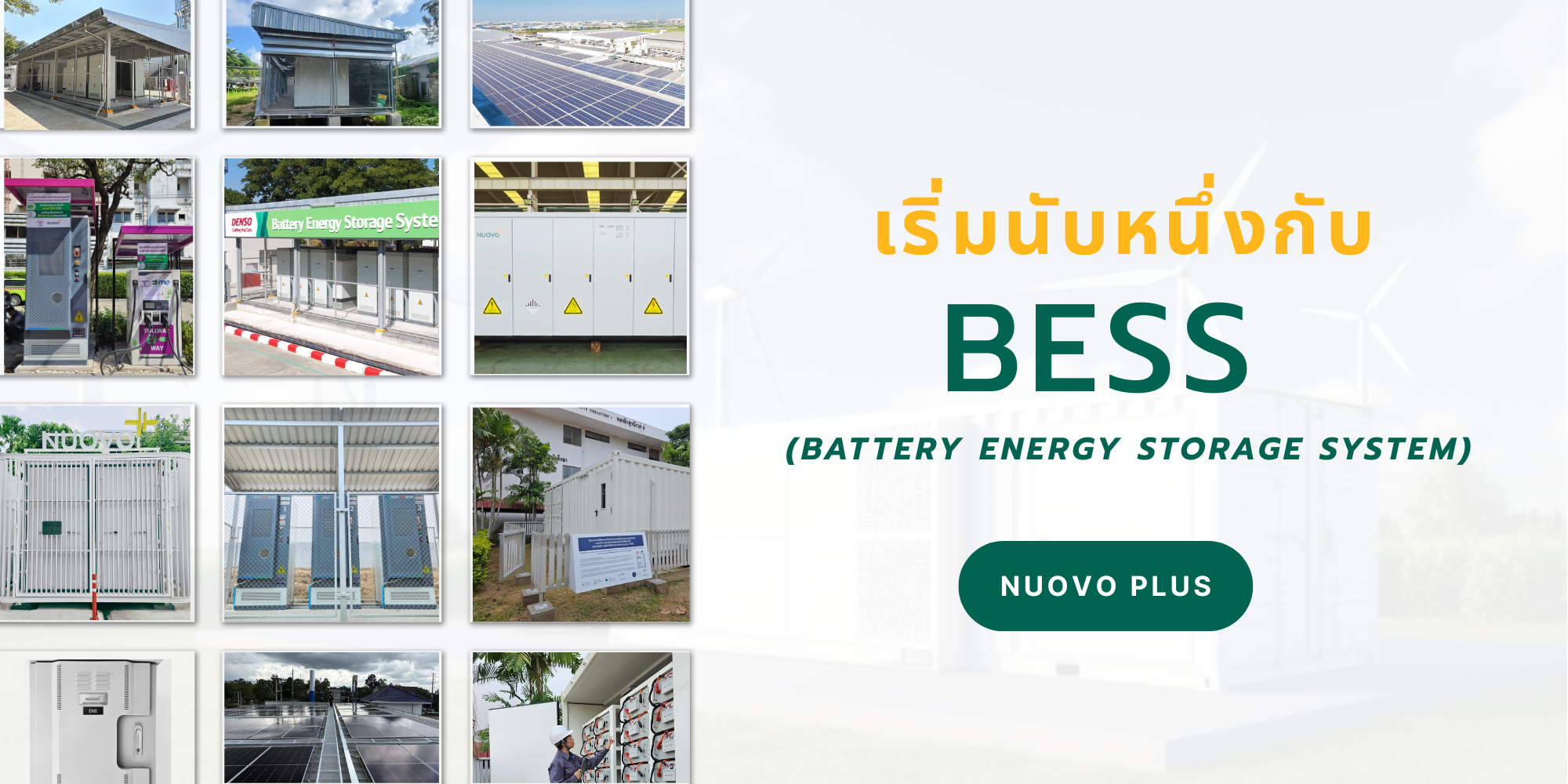
From my perspective, the next logical step is for the government to consider implementing supplementary mechanisms to purchase electricity during nighttime hours. Supplying power back to the grid during evening peak hours requires storing daytime solar energy in Battery Energy Storage Systems (BESS) for dispatch when the system needs it most.
An often overlooked advantage is that a battery storage unit occupies significantly less space than a full rooftop solar array. Because batteries do not require direct sunlight exposure, they can be placed in compact locations. This enables residents in townhouses, condominiums, or homes with limited roof area to actively participate in this decentralization movement.
This approach envisions home batteries acting as an “Energy Wallet”—a concept inspired by digital payment wallets familiar to many. Instead of holding currency, this wallet stores energy: charging during the day when electricity is cheap and discharging in the evening when value is high. The resulting price spread offers a direct financial return to households while simultaneously reinforcing national grid stability.
If millions of homes across the country adopt these “energy wallets,” the national grid will effectively transform into a decentralized “army of batteries”. This collective infrastructure can support the grid during evening peak hours, reducing the need for the state to build expensive new power plants simply to meet a few hours of surge demand per day.
The current 500 MW scheme is a clear signal from the government inviting everyone to “become energy producers together.” Looking ahead, the next chapter holds even greater potential: an invitation to “become national energy storekeepers.”
When that vision is realized, net-zero targets and energy security will no longer remain distant policy goals or the sole responsibility of major power producers. Instead, they will directly reside on our roofs, inside our energy wallets, and within the hands of every citizen.